


You might recall Mike Duncan who did the songs for my videos for Riding the Thunder, The Invasion of Falgannon Isle, and A Wolf in Wolf's Clothing
Wednesday, April 18, 2018

Friday, April 6, 2018


Saturday, March 31, 2018

Wednesday, March 21, 2018
The art of Love through the ages

How vastly courting
rituals have changed through the ages. . .


In the 1950s, women stayed home to raise their families. A wife
going to work outside the house was a slur against her husband. What’s
wrong, can he not support her? At the turn of the previous century, women
seldom went out to live on their own. They remained with their families
until they were properly courted and wed, going from father’s to husband’s
control without ever knowing how to live life on her own. The further you
go back into history, the tighter control you see of women, what they could and couldn't do. Few could own property. They had no control over money
they might inherit, and were often considered nothing more than property of
their husband. In the 19th century, women didn't go out for dates.
In fact, if she danced with the same man more than twice at a ball of the
ton, society would expect him to offer for her hand in marriage the next
morning, or she would be ruined!

Shed all your knowledge of how women live today, and take that step
back to consider obstacles women faced in finding a husband in Medieval times.
The average commoner rarely traveled outside his own village. They
were born, lived and died, literally tied to the land, chained there because
they were mere vassals of the local lord. Consequently, a woman of low
birth was forced to find a mate amongst the slim pickings of local lads, or
possibly a cousin not too far away. It’s estimated they rarely traveled
farther than the nearest village, even fewer went over fifty miles away.
Women of higher birth were not quite as limited. They generally
were sent to other castles or keeps at a young age to be fostered, much in the
same manner sons were sent away to serve as pages and squires. Therefore,
they did have the opportunity to meet young men outside their own fiefdom.
Such a move was intentional, this “farming out” of daughters at young
ages. They gained strength in facing a new situation, new people, and saw
how others thought and lived. More importantly, the exchange of children
was a forging of bonds between different lords. If she were of some
import, she might even travel to court, widening her circle of acquaintances
even more. Still, there was little chance of dating as we might consider
it. Young women served under the tutelage of the lady of the manor.
She spent a lot of time learning courtly ways and to manage the
household, possibly she might even be instructed in the healing arts. A
young woman would spend time sewing, spinning and weaving ― an endless chore,
because people had to have clothing, and everything from sheering the sheep,
carding the wool and spinning it had to be done by hand.

Even if she were lucky enough to catch the eye of a handsome young
squire, attachments wouldn't have been encouraged. A daughter was not
just a child to be reared, she was an asset. Fathers that didn't have
sons would use his daughters to make alliances. Lord’s with sons saw the
chance of obtaining a large dowry to bolster his standing. The young girl
would have little say in if she wanted to marry a man. These marriage
contracts were set up, signed and sealed when she was but a child. Love,
though much sung about by troubadours, rarely came into play in the making of a
match during this period. Sometimes, fathers had little say in the
matter, too. If the liege lord or king decided to marry off a daughter to
a knight or another lord for a reward, there was no recourse. Their liege
lord’s decision on such matters was final.

If on the rare occasion, a young woman might fall for a young man, the
obstacles preventing them from getting to know each other were endless.
In a castle, people were always about. Privacy was scarce as those
proverbial hen’s teeth. There were no places to go for walks, no parks,
and strolling outside the castle curtain was dangerous. The first time a
couple had the time to truly come to know each other was after they were
married.

So the next time you read a historical romance don’t be too quick to
judge people of the past and how they lived by your own life experiences.

© Deborah
Macgillivray
All Rights Reserved

Author of Internationally Published series
Dragons of Challon ™
http://deborahmacgillivray.co.uk
All Rights Reserved

Author of Internationally Published series
Dragons of Challon ™
http://deborahmacgillivray.co.uk
Friday, March 16, 2018
Arrow to the Heart - A Dragons of Challon novella - Excerpt #2

The small girls were pushing at
the thighs of Aithinne’s brothers, and they in turn were driving the once more
blindfolded lady, this time in their direction.
Suddenly, Hugh seemed to trip on his feet and fall hard into the back of
Aithinne, who in turn toppled into Damian and Fletcher. They caught her before any harm was
done. Everyone howled and clapped with
glee at the madcap amusement. Damian
righted his wife to where she was sitting upon his lap.
She pushed the tied cloth up to smile at Fletcher. “Well, well...the machinations of Lady Fate decrees––with a wee push from
a brother mine––that you are to be the King of Holly. Very fitting, I must say.”
“Nay, look elsewhere, my lady,” Fletcher laughed uneasy. What sort of tricks were the trins playing now? He glanced to Damian to assess his reaction
to this turn.
A toe-headed little girl danced to Aithinne and handed her a crown made
of holly and red berries and branches fashioned to appear like antlers. “You have no choice. The battle between the Oak King and the King
of Holly is an ancient one, going back to the dawn of time. The Oak Lord battles to keep the night at
bay––”
Fletcher was growing annoyed.
“Aye, I know the lore. The Oak
Lord banishes the coming night to make sure the sun returns at Springtide. All children have heard these ancient
tales.” He be damned if he’d go through
with this farce, ancient customs could go to the devil. ‘Twas bad enough he was forced to stand aside
and watch Geljon with the man she would soon wed, but to be compelled to play
out that loss before all in this mock contest was too much to expect of
him. “Find someone else to mime your mummery.”
Aithinne gave him a patient smile.
“To you they are tales. To my
people they are tradition. If we do not
banish the night this eve, the long night of the Winter Solstice, then we shall
face a dark winter season that will be long and harsh. Please?”
Lewis held out the staff to him.
“I always thought it odd, that the Holly Lord was the one to be
banished. His leaves never die; they are
forevermore green, showing that life that hope never dies. The Oak fights long, holding onto their
leaves, but come time they wither and die.
Also, holly is a plant so treasured this time of year. But the Auld
Ones never asked me what I thought of this battle. Come, Fletcher, you be one of the best at the
quarterstaff. Do the Holly King justice. Damian mimed him last year, and his heart was
not in it. We had a bad winter because
of it. Our people would appreciate a
hero to help drive the gloom and cold away.”
Fletcher wanted to push the staff aside, but everyone in the room began chanting words of encouragement. All eyes were upon him, and for more reason that some bit of ancient lore. David Leslie and he were to fight, even if a mock battle. His eyes sought out Geljon once more. She was looking at him, like she always did, though concern flickered in the grey depths.
Leslie
was already standing, an arrogant grin on his face. “Come, Sasunnach,
dunna disappoint all here.” He spread
his grip on the staff and held it out at chest level. “Unless . . .you be affeared to fight a braw
Scot?”
Fletcher wanted to wipe that
condescending smile off the man’s face.
He snatched the quarterstaff from Lewis’ grip. Rolling the long pole in his hands, he
followed Aithinne to the center of the Great
Hall.
Everyone gathered around the
edges of the great room, children sitting on the floor, whilst their elders
pulled the long benches into a better position, or stood at the back, hoping
for a better view of the coming display.
Excitement gleamed upon their faces.

Aithinne began, “The Auld Ones witnessed a great rivalry since the light first kissed the earth. The battle of two great kings. One dark and one light. Twice a year they would come to do battle for the lands. They would fight heroically. The Holly King, the dark one would rule the Wintertide and set the sun to dimming. As the nights grew longer, so did his strength, his control of this world. The Oak King held reign over summer and was blessed with the power of the waxing light. Their biggest battle would come at Yule, and a mighty struggle it was. The Oak King’s powers are at their weakest, whilst the Holly King’s strength and wield were at pinnacle. If the Oak King fails to banish the Holly King, then he would rule the country in a swirl of snow storms, preventing Springtide’s return. Through his valiant effort the Oak King must find the power to drive the Holly King away, so he may woo the Maid of Spring.”
As Fletcher stood on one side of Aithinne, staring unblinkingly at David Leslie on the other, he felt a queer itch between his shoulder blades. He was to play the Holly King––the dark lord. And perfectly cast, Leslie was the fair lord. And naturally, his thoughts returned to the maid he would win––Geljon. An ancient tradition, yet it felt as if it was being played out for real in this game of mime. Was this design by man or the whims of ancient gods?
By
the Saints, the mead’s influence was hitting him harder, causing his vision to
swim. Everything was too hot, and he was
having a hard time drawing breath. There
were too many people, and all staring at the two men in their circle. Aithinne was talking, going on about the
meaning of the rite. Her words fell upon
his ears like a waterfall.
He could only see Geljon. She had
moved to the center of one bench, and sat clutching her hands together. Between them was a small sprig of holly. Did
that hold significance?
“What ho, Sasunnach? Say that we seem to fit these kings of the
land who must wage battle?” Leslie
rocked the long pole back and forth between his hands.
Aithinne gave a nervous laugh.
“’Tis only a mock battle, my lords.
We know the outcome. The Oak Lord
must win to bring the sun back to the lands.”
Leslie flashed a grin of innocence.
“Naturally, my lady. ‘Tis evident
to all the Scottish oak must prevail over the English holly.”
Fletcher took a breath, striving to regain control. Lewis move past him, going to take a seat
next to Geljon. He blocked the lad’s
path. “Knave, did you put something in
the mead?” Catching him by the arm, he
spoke lowly so only the two of them could hear.”
“Me? Nay. ‘Twas Lewis who took you the drink. I am Deward.
‘Tis the Picts’ heather mead. ’Tis
spake it makes a warrior stronger, invincible.
The properties are fabled. ’Tis
only given to those who are special.”
Fletcher opened his mouth to ask more, but suddenly, Leslie’s staff came
slashing from out of nowhere, cracking against Fletcher’s with a noise so loud
that everyone in the room jumped. Since
his grip was loose about the long rod, the vibration nearly caused him to drop
the heavy wooden quarterstaff and lose his balance. Leslie lost no time in delivering yet another
blow that pushed Fletcher backward, nearly knocking Deward over as well.
“So, this is the best man with
a quarterstaff? The English must like to
spend their time in bed making love, rather than on the training field,” Leslie
taunted. “It does seem the Oak King is
stronger this Turn of the Wheel. The battle mayhap shall be a short one, eh,
and we can forward look to an early spring.”
Fletcher kept backing up, but he now had a better hold on the heavy pole,
so the vibrations were not traveling up his arms and rattling his muscles to
the point of numbness. The fifth swing
saw him blocking Leslie firmly, which brought surprise to the pale hazel
eyes. Only, the man countered and then
spun in a full circle, his plaide flying
about him, to catch Fletcher with a swat to the seat of his pants.
When the crowd laughed, the arrogant Scotsman actually turned and took a
bow. Smug and full of élan, Leslie hopped
upon the end of the table and swung around on his hips to where he could sit
just above Geljon. His tartan rose to
where his lower thigh was fleetingly exposed.
“Ah, fair Maid of Spring,
shall you be the bride of the Oak King and rid this land of English
holly?”
The crowd roared with more laughter, the scores of faces taking on a
distorted bent in Fletcher’s eyes. He
kept blinking, trying to hold onto his focus.
This whole affair was quickly becoming a nightmare. He could not seem to find the concentration
to attack. He watched Leslie pick up
Geljon’s hand and place a kiss to the back of it. She snatched it away. Fletcher’s vision filled with red. A boiling anger reared its head as he watched
the strutting peacock, stand up on the bench, and then step higher onto the
table, walking its length.
“Come, Sasunnach, you are
supposed to put on a show for all.”
Leslie spread his arms to encompass the room and flashed a smile at a
comely wench, standing off to the side.
Giving a yell, he jumped over the heads of the seated children to land
before Fletcher.
Only this time, Fletcher met the Scotsman’s swing with a full force of
his own. Clearly, the move surprised the
haughty Tanist.
“What ho?” He jested, yet the
light shifted in those pale eyes, nearly the same shade as his auburn
hair. “The Sasunnach tailed-dog has teeth.”
“Aye, I do and I plan on keeping them.
The same might not be said about you at the end of this mock battle.” Fletcher, still lightheaded, felt his
warrior’s instincts taking over. He
quickly fell into the rhythm of attacks, recoil to block a counterattack, and
before Leslie could reposition, attack again, harder, quicker. Overconfidence was getting the better of the
man, replaced by anger as his moves, now less assured, were done in haste and
in a determination to get in harder blows.
The spark of cocksureness faded as it became clearer that Fletcher was
the stronger of the two men. He was also
faster and more agile. He had a feeling
Leslie had not come up against such a skilled fighter before. The man was strong enough. Perhaps as the Tanist, the heir to the
chiefship of the clan, people gave him an easier path in life, and the young
men did not press or challenge him.
“I admit you can handle the quarterstaff well–– especial for a bloody Sasunnach––but it shall be a good
wedding gift for Geljon to see you defeated.
I am the golden king. You are the
dark one. I shall banish you and take
the Spring Maid this night. A wedding is made in the Highlands when two
people speak they are husband and wife.
Why not turn this festive night into a wedding celebration?”
Leslie was goading him. Fletcher knew this, but it was damn hard not
to shove the metal tipped pole down his arrogant throat. There simply was no stopping images of Geljon
beneath this naked Scotsman, and the visions were a hell. Geljon should be taken in gentleness and
love, not by this pompous swine. She
deserved awe, respect, and a passion born of the fire of devotion. Fletcher knew he may be bastard born, but he
was an honorable man. He had family
connections, though he had never called upon that bond before. Mayhap the time was now. Leslie might offer her many material
advantages, but there was one thing he could give Geljon that the Tanist could
not––he loved her.
As these vague notions rose in his mind, possibilities he had not
considered before, his swings with the quarterstaff grew more assured. Aye, mayhap Clan Leslie had a lot to offer
the smaller sept of Seacrests. But they
were a branch of Clan Ogilvie, why Geljon’s father had sent her to stay with
Aithinne. Well, if the man was terrified
of the English controlling the lands, why not an alliance with the mighty
Dragons of Challon, already wed to Ogilvie heiresses? What better way to see the old man assured
his daughter would be protected, and see his clan lands stay secure?
If you truly love the girl, then mayhap we
can figure something out. Fletcher knew Geljon wanted him; it was the
matter of convincing her father. Not a
simple trick, but one he could master. He would do anything to win her hand. With the invincible spirt of the heather mead
coursing through him, and the renewed acceptance he might be able to stop this
coming marriage, he brought the staff down with such might that it shattered
Leslie’s weapon and sent him sprawling backwards, and into the group of people
near the fire. Everyone gasped and scrambled.
The Tanist was shocked, but that emotion quickly morphed into rage, a
deep glowing resentment that saw from this day forward they would be mortal
enemies. So be it. Fletcher tossed the quarterstaff down at the
feet of Leslie and gave him a crooked smile.
A gasped silence lingered in the Great
Hall as his words rang out. “It
seems the Oak King was not strong enough to defeat the Holly King this
season. Pity that.”
Fletcher
turned, seeking to find Geljon. He
wanted to go to her and tell her of his plans.
Just as he spotted her standing with Aithinne, there were shouts behind
him. He spun around in time to see
Leslie had picked up the other staff and had made a wide swing toward the back
of his head. A killing blow. . .

#BLOGABOOKSCENE #MEDIEVALROMANCE #PRAIRIEROSEPUB @PRAIRIEROSEPUB #SCOTTISHROMANCE #HISTORICALROMANCE #DRAGONSOFCHALLONSERIES
Kindle Box set Paperback Version from Amazon also from Wal-Mart and Books A Million

Happy St. Patrick's Day!!
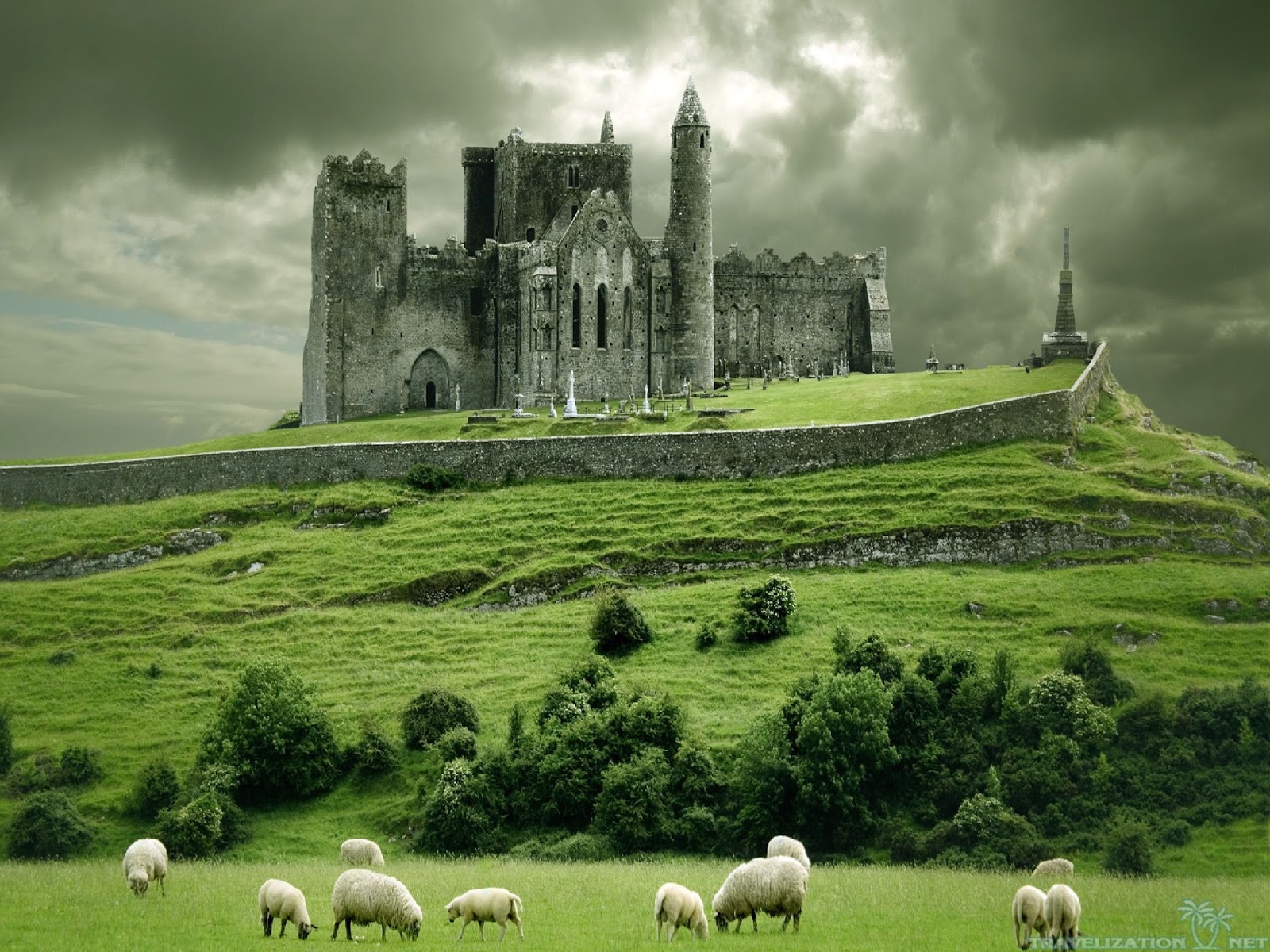
Lá Fhéile Pádraig Shona
Leprechauns, caisleáin, dea-ádh agus gáire.
Labhlaí, aisling agus grá riamh i ndiaidh.
Fáiltíonn míle nuair a thagann duine ar bith ...
Sin an Ghaeilge duit!
Leprechauns, castles, good luck and laughter.
Lullabies, dreams and love ever after.
A thousand welcomes when anyone comes...
That's the Irish for You!
Lullabies, dreams and love ever after.
A thousand welcomes when anyone comes...
That's the Irish for You!


Wednesday, February 28, 2018
To Be or Not To Be (Accurate)

To Be or Not To Be (Accurate)

That Is The Question
Facing Authors of Historical Romance
In writing Historical
Romance Fiction the author does a balancing act on up on a high wire. He loves history so we strive to make it as
accurate as possible. Yet, it is fiction, which means an author may to take liberties. The question is where to draw the line. While this article was written to address
historical do and don't questions, it could apply with any form of fictional
world-building.

Historical authors really
love history! We can easily obsess over
details that are endlessly fascinating―at
least to us. However, do readers
really want that deep of an understanding of the past? The answer: some do, some don’t. After
all, you are not writing a non-fiction work, historical book, not even a
historical fiction novel. It’s
Historical Romance. As when you
pronounce a word, certain syllables are spoken softly while one is accented;
when you say Historical Romance always put the stress on ROMANCE. Never
lose sight of that. My editor on my
first historicals, Hilary Sares (formerly with Kensington Books) says readers
are tired of “clanking swords, that history is stale, cold, while romance is
timeless.” In this, she touches on the
heart of what Historical Romance is: history
is the lesser of the ingredients in the mix.
Love carries the story.
Historical Romance is the cousin of Historical Fiction (which often has
romance in them), but they are not the same.

Once a romance author
accepts these boundaries then they are left with just how much history do you
add? History is a background for the
tapestry you weave. It should give the
reader a sense of period, but never intrude upon the romance, never stall the
story out, pausing to explain historical details or to give a history lesson. After the author reaches that level of what
will be good threads and elements to craft into the story, they next face a
final hurdle―to weigh the importance of details, the minutiae that draws the
historical authors to share their love of the past.

Only here is where it can
get tricky. Sometimes, what readers
believe is accurate often is not. “Bad”
history, incorrect word usage, or even how time has changed the meaning of
words can stymie the author. Take the
word acquaintance. Noun: “a person known to one, but usually
not a close friend.” That is how it is
accepted in today’s usage. However,
years and years ago the word meant something very different. Surprisingly,
when a man was “acquainted” with a woman, he was saying he had been physically
intimate with her. See the problem? If you are going for historical accuracy and
you say “Mr. Overton was acquainted with Miss Marple.” In the historical sense you would be saying
Mr. Overton had indulged in sex with Miss Marple! Will
today’s readers understand without you having to stop the story and tell them
that? Will a reader, lacking this
crumb of knowledge, understand what you said, or will they just believe you are
saying Mr. Overton has met Miss Marple, but they are not close friends? If the author puts that sentence out there
and wants the reader to comprehend what they are saying, then they must stop
the flow of the plot and the scene and say, “Of course, we know acquainted
means he has had sex with her.” Even
then, the reader might scratch their heads and go, hum, it does? In that
instant, you have taken them out of the story simply by using a word correctly,
but not right in today’s eyes. Right
is wrong. Rule of thumb: Rarely is
one single word ever that important to risk using, when it can pull their
reader away from the imagery to ponder if you are correct or not.

If a Historical Romance came
along and used Irish Gaelic spellings instead of Scots Gaelic—which has been
known to happen (lol), and this book using becomes a bestseller, then readers
can often assume that book to be correct.
Then other authors come along using the correct form and people
automatically presume they are incorrect.
So when readers come to the difference they often believe the right
spellings to be wrong! Okay, what then? Do you knowingly use the wrong spellings of
words to conform to what the readers have accepted as correct, or do you go
ahead and be accurate and have readers think you are wrong?

Another complexity in to be
or not be historically accurate―authors who set their novels in real places,
such as the castles of Scotland. Often,
instead of world-building and creating their own castles, some writers pick out
a very famous castle for the setting of their stories--even put the wrong clan
living there, totally disregarding most castles have a very detailed historical
record. For someone not familiar with
Scotland’s past that might not be a problem.
However, the author runs into the sticky wicket of having readers who
do, and once more, are taken out of the story because they know the true
history of the place. We must remember
it is fiction. Authors are allowed to
bend history a wee bit if it serves to make the story stronger. I won’t go as far as Randall Wallace did when
speaking of the many historical inaccuracies of his screenplay for the movie Braveheart and say history should never
get in the way of a good story. Still,
authors should be able to present a romping tale without worrying about being
one hundred percent accurate on every single detail.

Another is nationality. It can come into play in perceptions of what
is wrong and right. Take the simple way you
name the floors of a building. In
Britain and Europe, even today, the first floor of a building is the ground floor. In America, you work on the first floor in
New York, while in London you are working on the ground floor. The
first floor in Europe is actually the second level. When Regency and Victorian periods were in
flourish and they had their Seasons in London, they lived in fancy townhouses. The first floor (second floor to Yanks!) was where they did most of their
entertaining. So, if a woman entered the
front door, and went upstairs to the
first floor many Americans would assume the author is making a boo-boo,
despite they were being entirely correct!

These are just a few of the
bumps facing historical authors when trying to keep the faith with history, yet
also do a balancing act with the today’s readers and just how accurate do readers
truly want their historical romances to be?
Just remember to keep
rooted, and that romance and flow are vital to telling a whopping good yarn.


Deborah Macgillivray
http://deborahmacgillivray.co.uk
Internationally Published Author of the Dragons of Callon™ series
#PrairieRosePublications #HistoricalRomance #MedievalHistory #ScottishHistory #AuthorsTool #WritingHistoricalNovels
http://deborahmacgillivray.co.uk
Internationally Published Author of the Dragons of Callon™ series
#PrairieRosePublications #HistoricalRomance #MedievalHistory #ScottishHistory #AuthorsTool #WritingHistoricalNovels
Wednesday, February 14, 2018


Saturday, February 10, 2018
Party On Down, Cher!! Mardi Gras New Orleans Style

Mardi Gras
a celebration of excess New Orleans style
a celebration of excess New Orleans style

Mardi Gras is French for Fat Tuesday. It is the day before Ash Wednesday--when you give up luxuries for Lent. Facing weeks of doing without the things they enjoy, people went on merrymaking binges, knowing they would have to remain in their homes and fast afterward. Carnival is another word you see associated for the festive period. It comes from Medieval Latin, meaning remove the meat.


While several places around the world celebrate Carnival, New Orleans is likely the best known. The very first Mardi Gras celebration there took place in March 1699. French explorers, Pierre Le Moyne d’Iberville and Sieur de Bienville, landed near what is known today as New Orleans. Their party held a big celebration and christened the spot where they landed, calling it Pointe du Mardi Gras.

The King's Jester

Krewe Zulu Parade


The French settlers that followed celebrated the day with street parties, masquerade balls and lavish feasts. However, when the Spanish took control of New Orleans, they were disgusted by the excesses, so they banned the celebrations and rituals. This dictate remained until 1812 when Louisiana became a state. In the late 1820s, groups of young men donned colorful costumes and paraded and danced through the streets. The celebrations began to expand each year, until the first official Mardi Gras celebration was recorded about ten years later.
The day is now a legal holiday in the state.


In the antebellum era of New Orleans the first Krewe was formed. A Krewe is a secret society that sponsors a parade and ball. The Mistick Krewe of Comus set the tone for all Mardi Gras celebrations thereafter. Now there are many Krewes: Poseidon, Rex, Orpheus, Bacchus, Endymion, Hermes, and Zulu are just a few-- so many their parades have to be on different days or times.

Bourbon Street
some parades are during the day, some at night
It's not advisable to wait to the last minute to go join the magnificent celebrations. Finding rooms near is impossible, so plan ahead, book ahead! Be sure to part take of a Poor Boy sandwich, Gumbo, Beignets, and especially don't miss having a big slice of King Cake.


Flameauxs


Krewe Leviathan

King Cake and King Cake Donuts

Laissez Le Bon Temps Rouler
Subscribe to:
Posts (Atom)
